
Most bicycle owner’s manuals are an afterthought: recycled templates, inconsistent photos, torque values buried deep in the document. For the BMC Kaius 01 Gen 2, our gravel race bike, I took the opposite approach and treated the manual as a product in its own right.
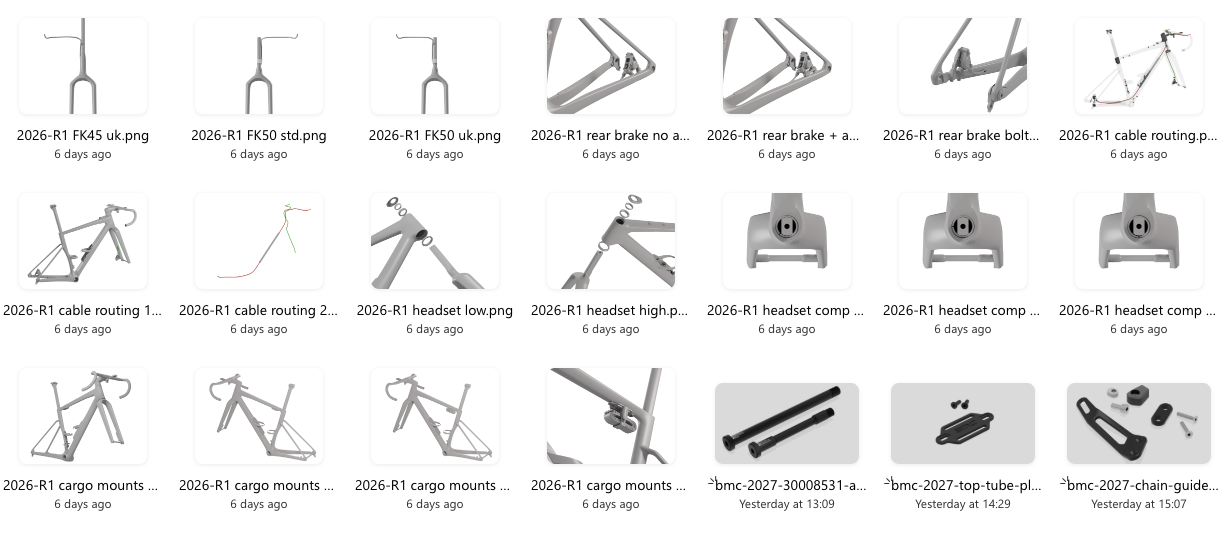
In 4 weeks, I structured, wrote and illustrated a 62-page owner’s manual, with 73 renders created in Blender directly from R&D CAD data.
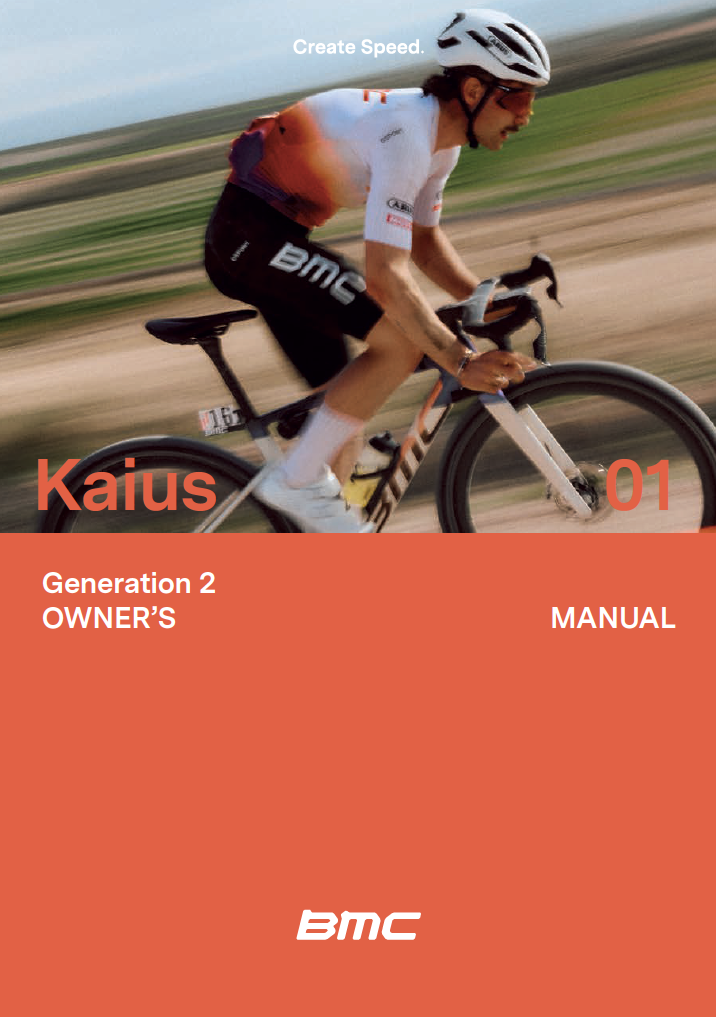
The brief
Three goals: technically accurate, visually intuitive, and aligned with the premium positioning of the bike. One constraint: four weeks from the start of the project to a validated document.
A structure that follows the rider, not the engineer
Rather than adapting a legacy template, I built the framework from scratch, drawing on my technical background and product management experience. The flow mirrors how a rider actually meets the bike, from first setup to maintenance:
- Introduction
- Safety guidelines
- Product overview
- Adjustments and torque specs
- Assembly steps for the key systems: cockpit, drivetrain, brakes, integration
- Maintenance guidelines
Each section answers one question: short, focused and action-oriented.
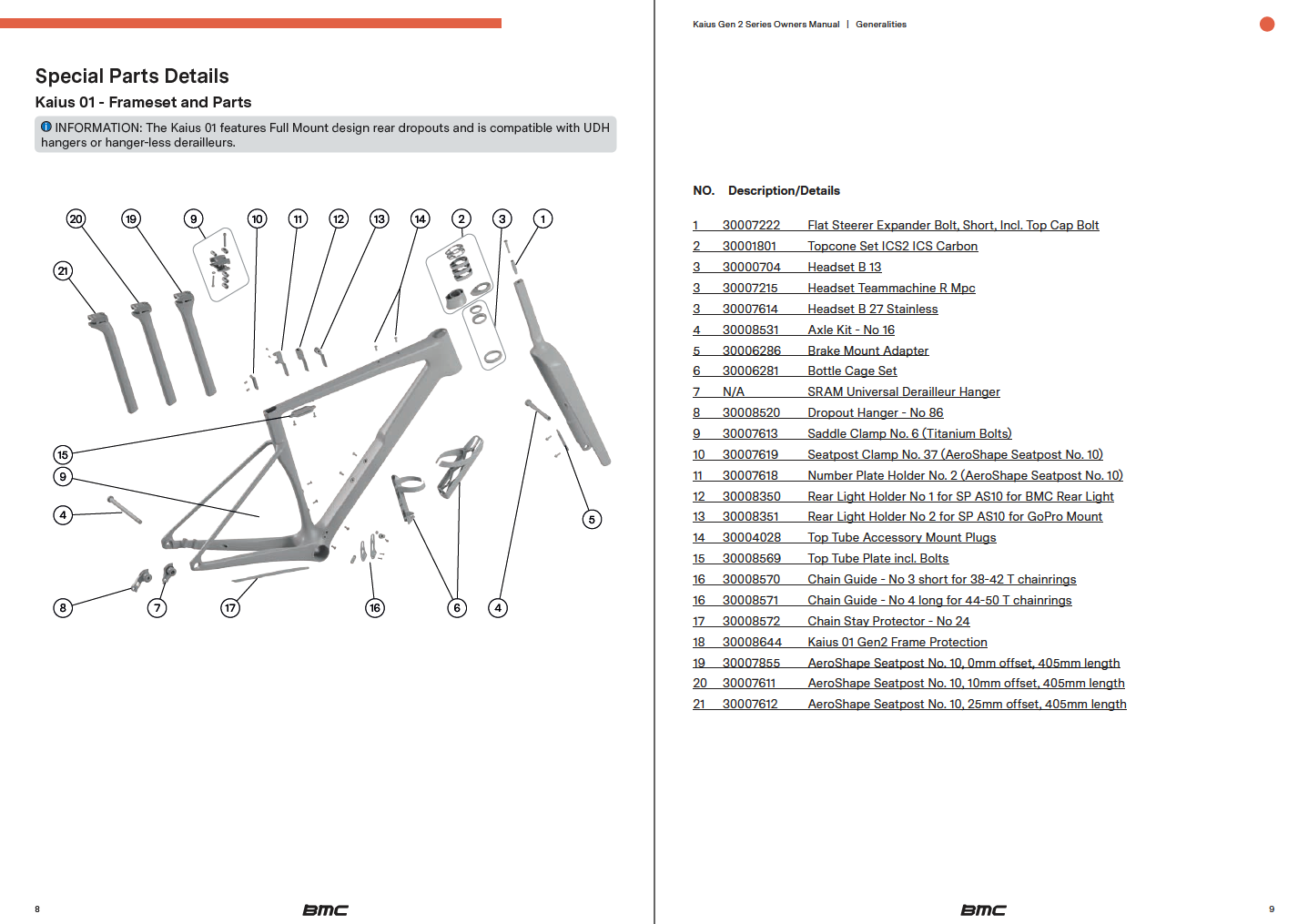
The clickable exploded view
The centrepiece of the manual is an exploded view of the frameset in which every component links directly to its assembly page. One click takes the reader from “what is this part?” to “how do I install it?”.
Copy: precision over volume
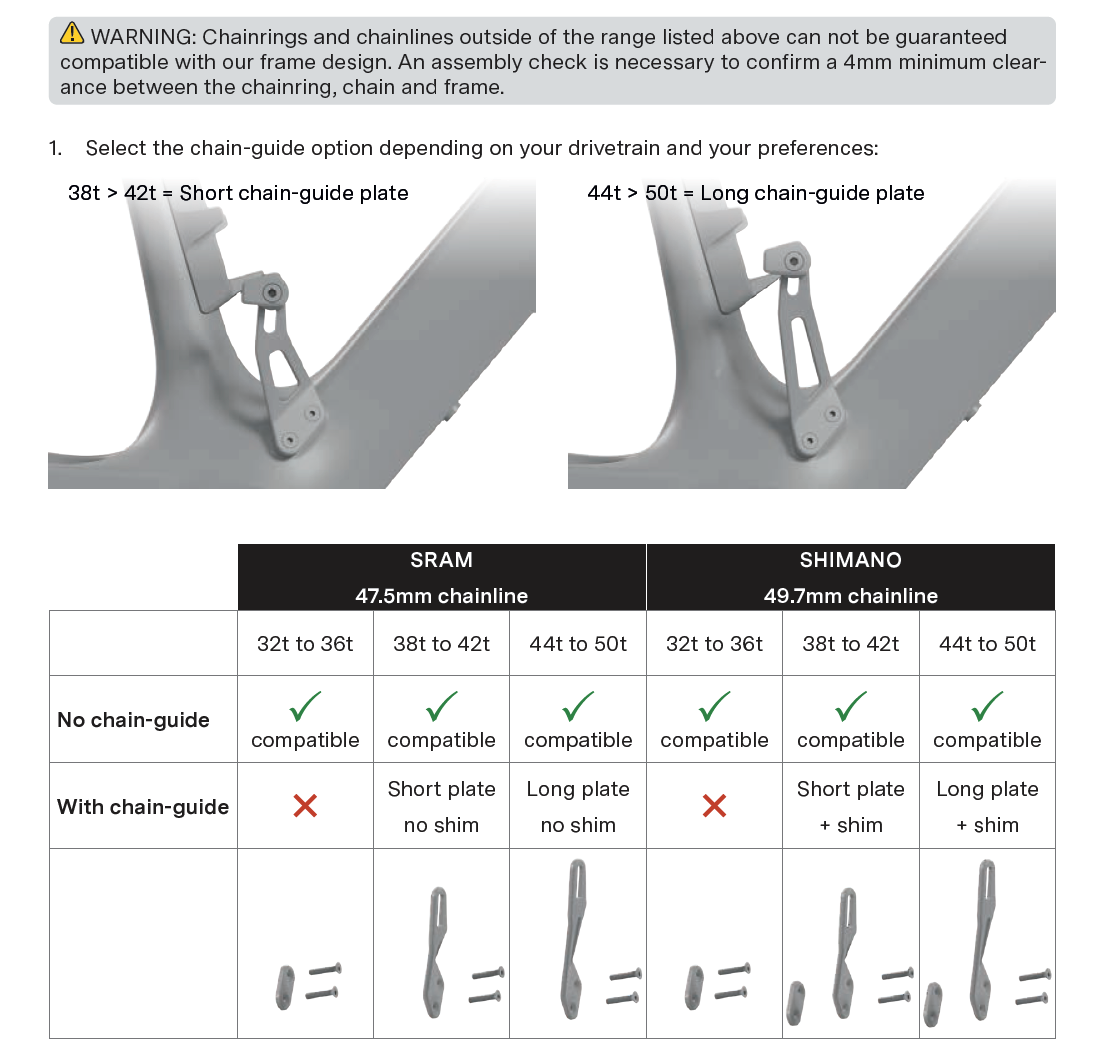
The copy followed one principle: clarity beats completeness. Instead of overloading the manual, the aim was to deliver the right information at the right moment:
- Concise, directive language
- Technical jargon only where precision requires it
- Critical actions highlighted: torque values, safety points, tips
- Consistent wording and layout across all sections
Technical depth stays intact where it matters, for key components and adjustments.
From SolidWorks to Blender: 73 renders, no photo shoot
Instead of photographing prototypes, I imported R&D data exported from SolidWorks (Parasolid and STL files) into Blender and rendered every illustration. The result:
- Clean, distraction-free visuals with consistent angles and lighting
- Component representations that match the production parts exactly
- Higher rendering quality than previous manuals
- Internal routing and assemblies that a camera simply cannot capture
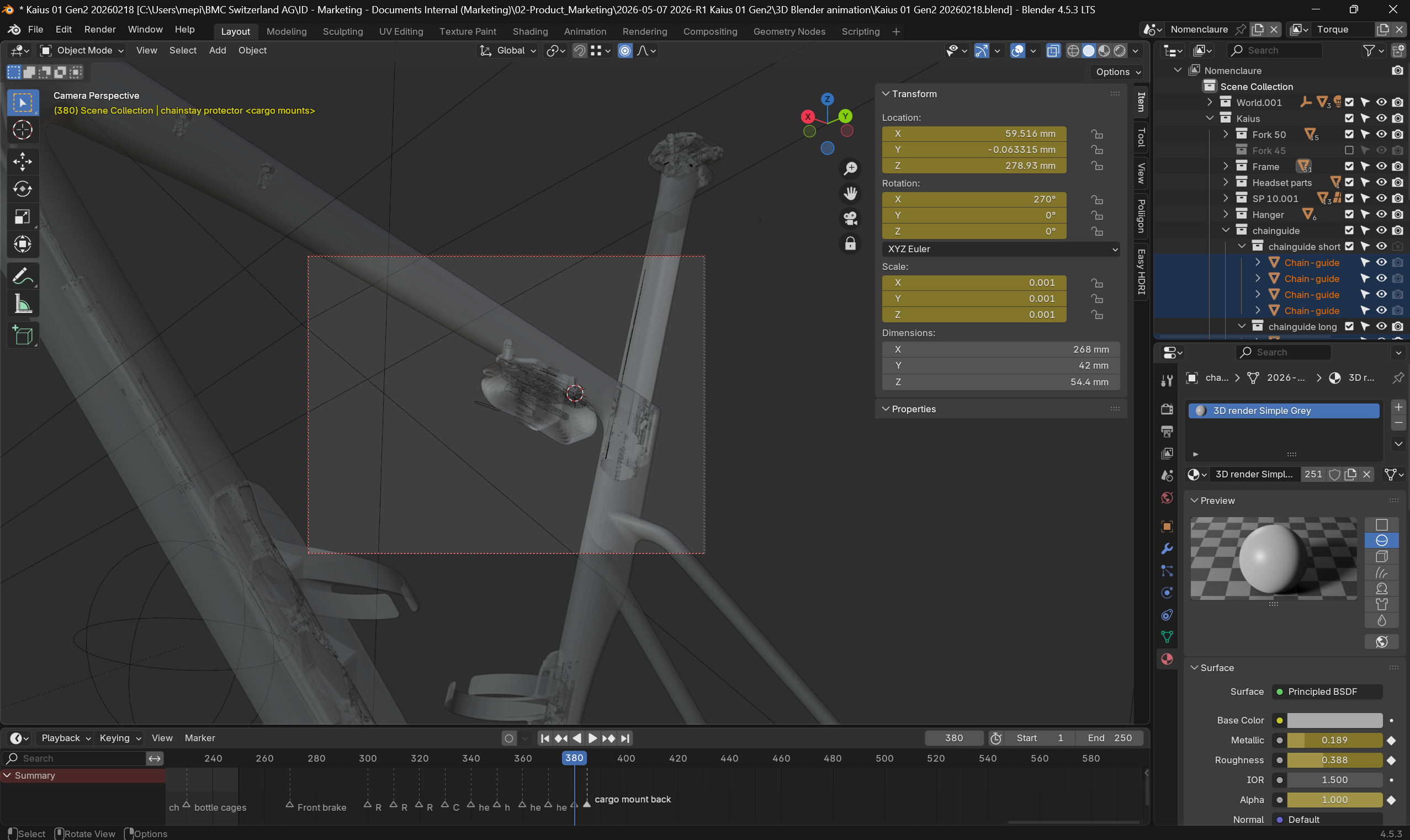
No dependency on prototype availability, studio time or lighting constraints: the 3D workflow gave full control over every image and makes future updates fast.
Iconography designed for colour-blind riders
The icon set was reworked so that warnings, information blocks and tips remain distinguishable for riders with colour vision deficiency. Safety messages should never depend on colour alone.
Cross-functional review in two cycles
While the structure and core content were driven autonomously, validation was a team effort:
- R&D for technical validation and 3D assets
- Quality for compliance, safety checks and accuracy
- Product Management for product definition
- Marketing for tone, branding and visual alignment
With clear ownership of each section, the manual was validated in just two review cycles.
Results
- A 62-page manual delivered in 4 weeks and validated in 2 review cycles
- 73 renders created from R&D CAD data, with no photo shoot
- Improved iconography for colour-blind riders
- Published on every Kaius 01 product page and in BMC’s public document library
Key takeaways
- Structure first: it is the backbone of a usable manual
- CAD-based imagery scales; photography doesn’t
- Accessibility belongs in the design, not in a later revision
- Cross-functional reviews only stay short with clear ownership
Download and related articles
BMC Kaius 01 Gen 2 – Owner’s Manual (EN, PDF), official download from the BMC Kaius 01 product page
- How to create a bicycle owner’s manual, step by step
- ICS Carbon Aero Cockpit Gen 2: building the product story
- Portfolio 2000–2026
Working on product documentation or a launch? Let’s connect on LinkedIn.