Building the Owner’s Manual for the BMC Kaius Generation 2

Creating an owner’s manual is often underestimated. It sits at the intersection of engineering, product, and user experience, and when done right, it becomes a key part of how riders understand and trust a product.

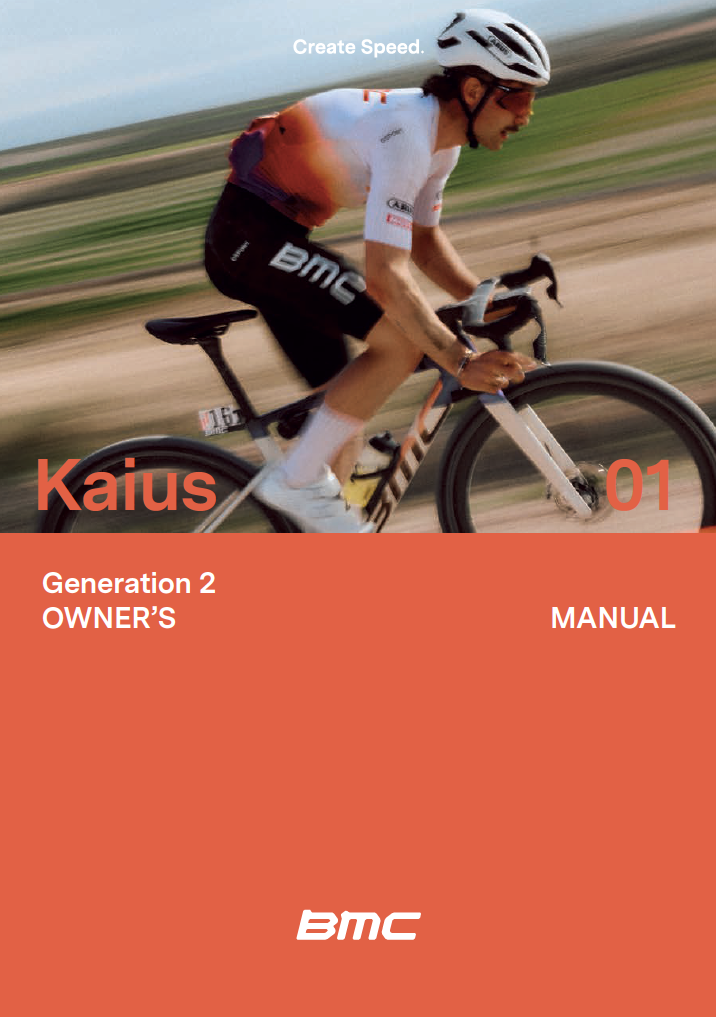
For the BMC Kaius Generation 2, the objective was clear: deliver a manual that is technically accurate, visually intuitive, and aligned with the premium positioning of the bike.
Defining the Structure from a Product Perspective

The foundation of the manual started with structure.

Rather than relying on legacy formats, I built the framework from scratch based on my technical background and experience in product management. The goal was to mirror how a rider actually interacts with the bike, from first setup to advanced adjustments and maintenance.

This led to a clear, logical flow:

  • Introduction
  • Safety guidelines
  • Product overview
  • Adjustments and torque specs
  • Assembly steps including key systems (cockpit, drivetrain, braking, integration)
  • Maintenance guidelines

Each section was designed to reduce friction: short, focused, and action-oriented.
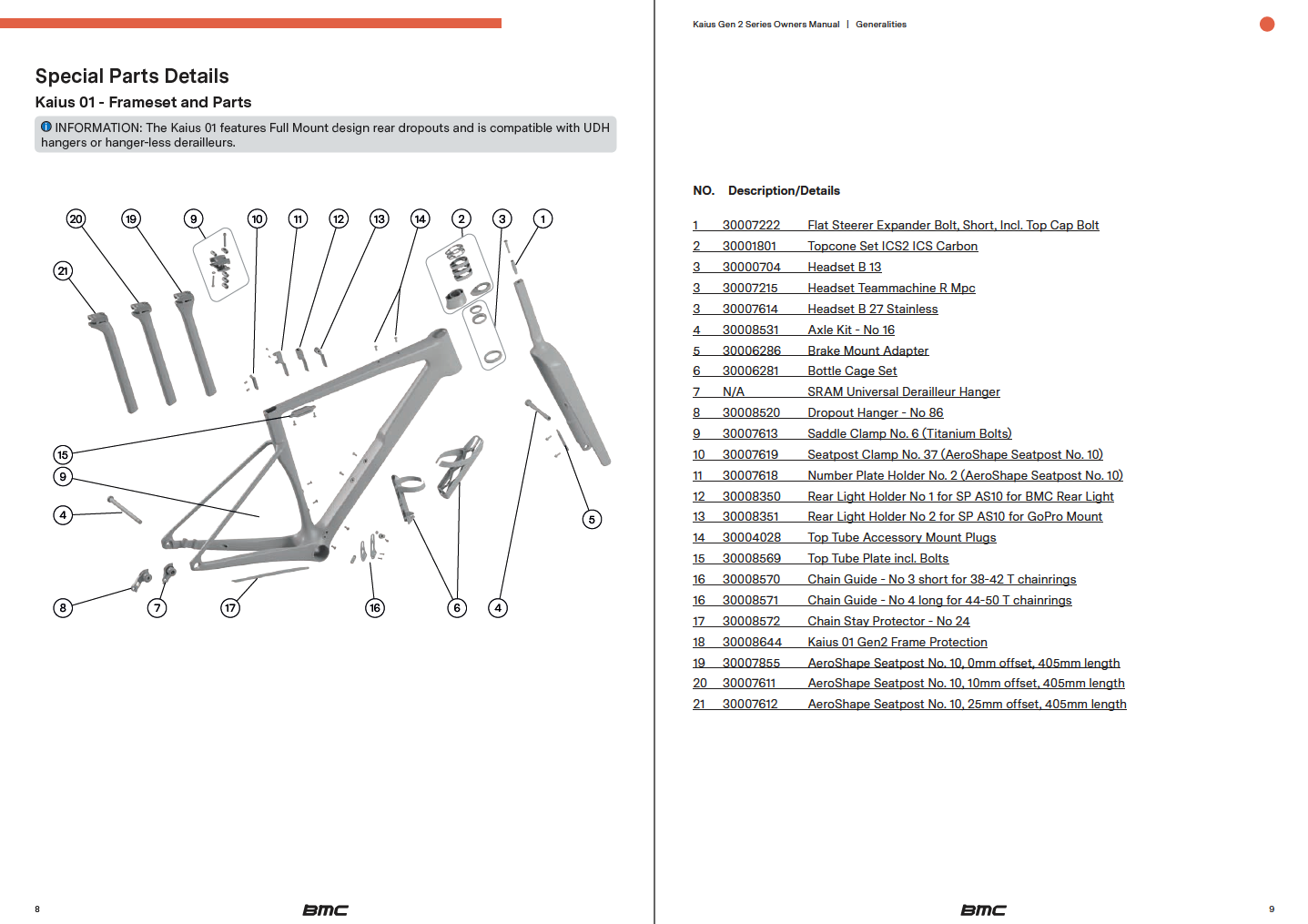
The famous exploded view with dynamic links to each component.

Writing the Copy: Precision Over Volume

The copy was developed with a simple principle: clarity beats completeness.

Instead of overloading the manual with information, the focus was on delivering the right information at the right moment. This meant:

  • Creating clear illustrations
    • Using concise, directive language
  • Avoiding unnecessary technical jargon where possible
  • Highlighting critical actions (torque, safety points, tips)
  • Ensuring consistency across all sections

At the same time, the technical depth remained intact—especially for key components and adjustments where precision matters.
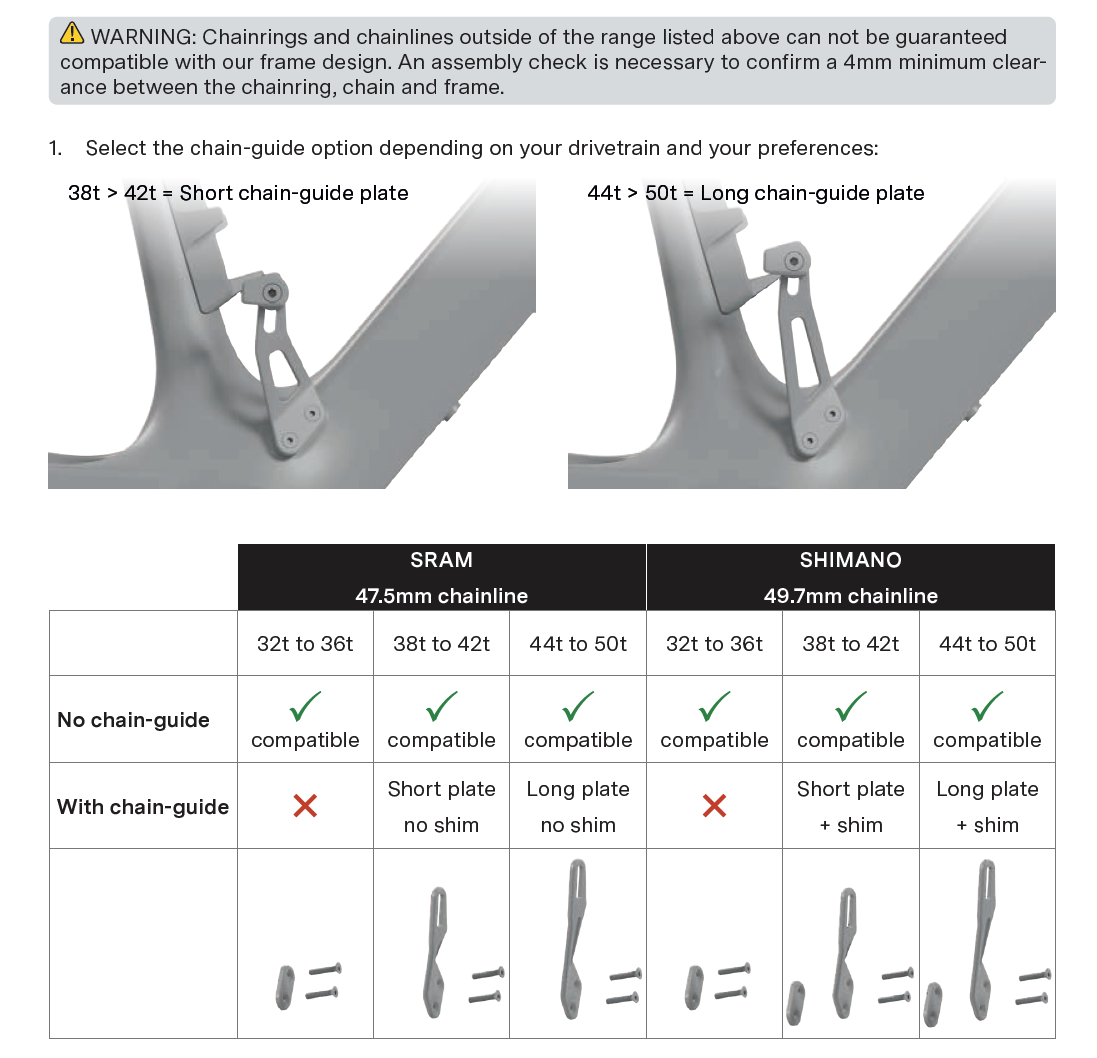
Chain guide section explaining the different configurations possible.

Creating Imagery with R&D 3D Data

A major step forward in this project was the use of 3D assets directly from R&D.

By leveraging native CAD data and rendering it in Blender, I was able to create:

  • Clean, distraction-free visuals
  • Perfectly accurate component representations
  • Consistent angles and lighting across all images
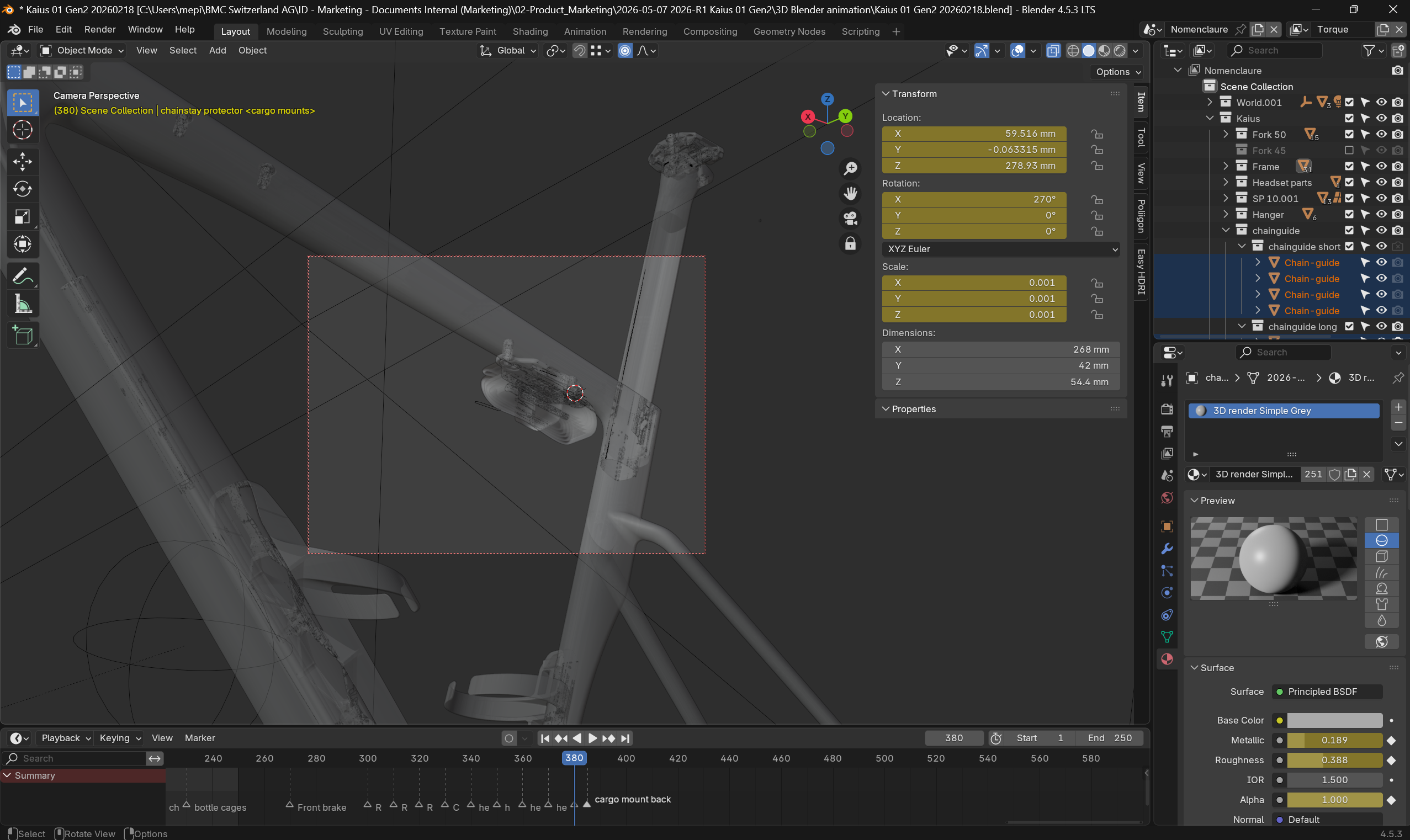
This approach solved a common issue with traditional manuals: photography limitations. Instead of dealing with physical prototypes, lighting constraints, or inconsistencies, the 3D workflow ensured full control and scalability.

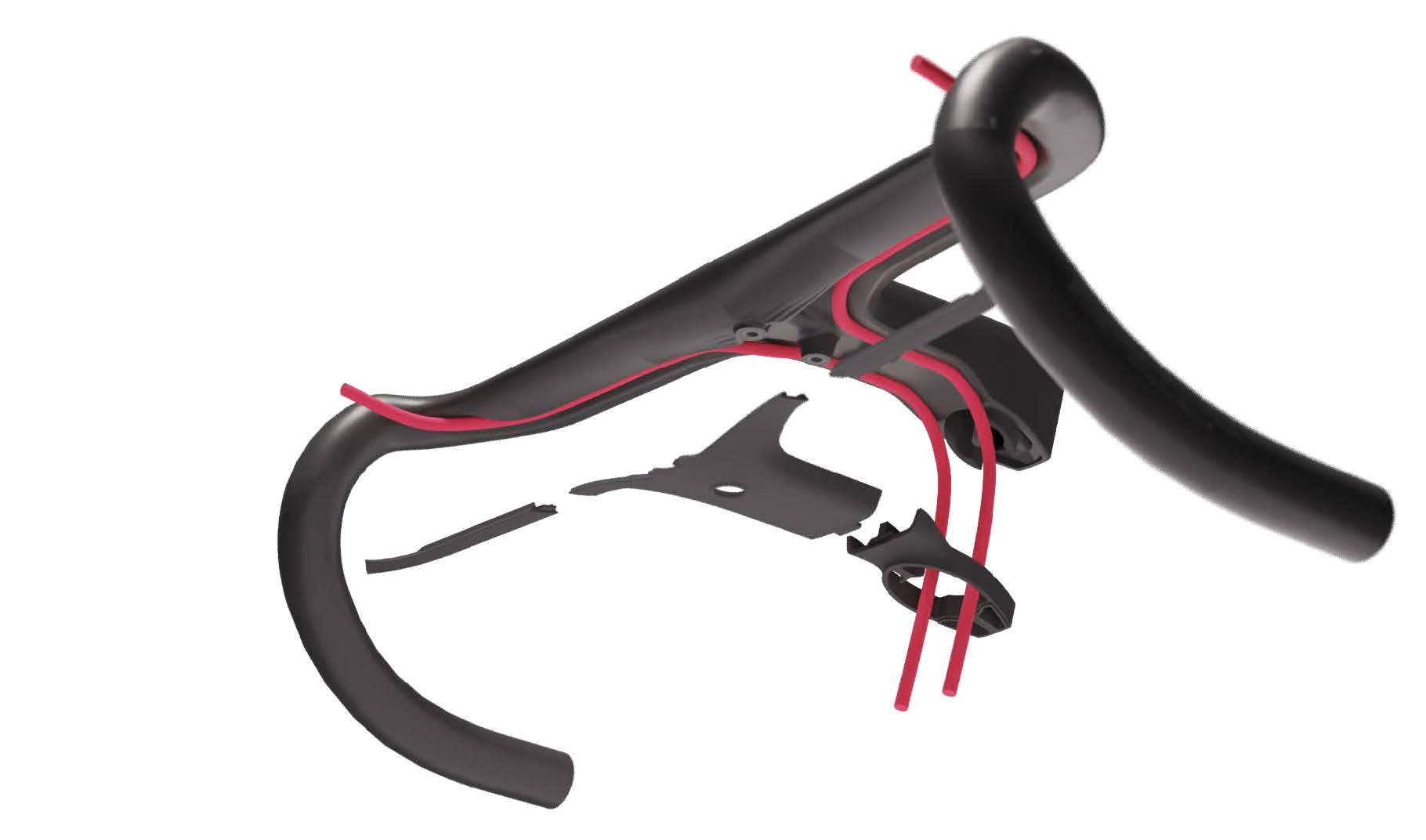
It also allowed us to illustrate complex internal features and assemblies that would be difficult or impossible to capture with a camera.
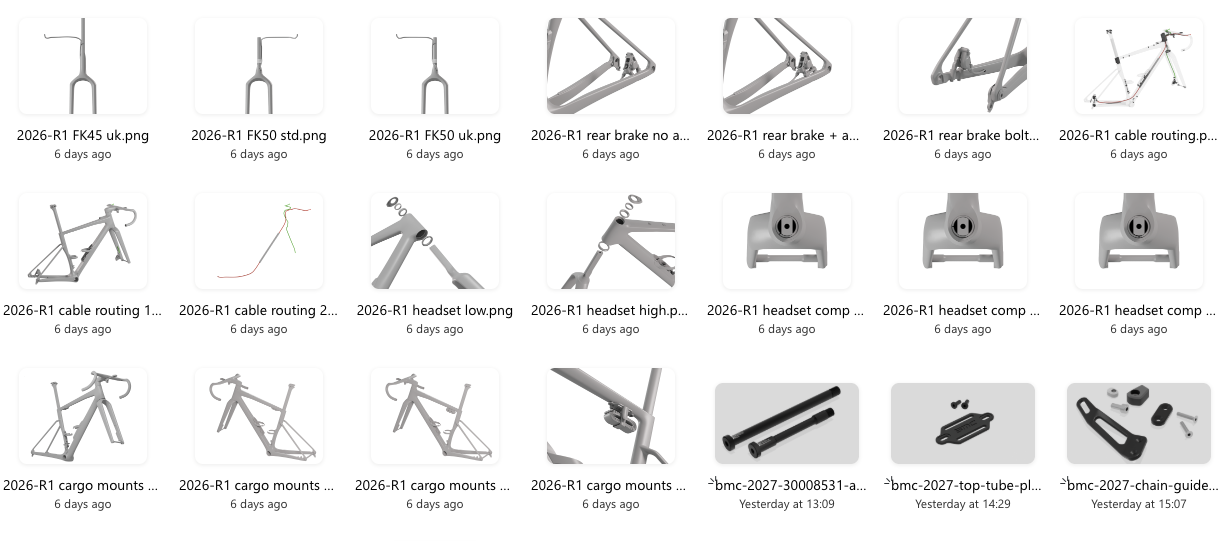
Some of the imagery prepared with Blender.

Cross-Functional Collaboration

While the structure and core content were driven autonomously, the manual was ultimately a collaborative effort.

Close coordination was required across multiple teams:

  • R&D for technical validation and 3D assets
  • Quality for compliance, safety checks, and accuracy
  • Product Management for product definition
  • Marketing for tone, branding, and visual alignment

The challenge was not just gathering input, but organizing it efficiently. Clear ownership and structured reviews were key to keeping the process moving and avoiding unnecessary iterations.

From Draft to Approval

The final phase focused on alignment and validation.

Each section went through targeted reviews with the relevant stakeholders, ensuring that:

  • Technical information was fully validated
  • Safety-critical instructions were clearly highlighted
  • Visuals matched the latest product specifications
  • The overall document remained consistent and coherent

The result is a manual that reflects the product itself: precise, refined, and built with intent.
Key Takeaways

  • A strong structure is the backbone of any effective manual
  • Clarity and usability should drive copywriting decisions
  • 3D-based imagery significantly improves consistency and quality
  • Cross-functional collaboration is essential—but needs structure
  • Ownership and autonomy help maintain speed and coherence

This project is a good example of how technical documentation, when approached as a product in itself, can elevate the overall user experience.

The final document:

Product Marketing on BMC ICS Carbon Aero Cockpit Gen 2

As Product Marketing Manager, my role focused on collecting performance data, technical insights, and design intentions, then translating them into visuals and messaging that retailers, media, and riders could easily understand and connect with.

Like many performance-driven projects, the cockpit evolved through multiple inputs coming from engineering priorities, rider feedback, testing, and design iterations. Transforming all these elements into a coherent and engaging product story became one of the most interesting parts of the process.

A special thanks goes to Etienne Goy for the quality of his work and support throughout the project. His technical input and collaboration helped elevate the final result and bring clarity to many aspects of the development.

At the end of the day, product storytelling always requires finding the right balance between technical reality and emotional appeal. The objective is not to exaggerate performance claims, but to present the product in a way that highlights its strengths and helps riders understand where its value truly sits.

Building the Product Story and DNA Document.

Once the story structure and positioning were defined, the copywriting phase started with a first draft built around the available data, technical facts, and product intentions.

The text was then refined and polished together with Jonathan Camp whose work helped bring more rhythm, clarity, and consistency to the final messaging.

The document layout was created in Adobe InDesign before being handed over to Fritjog Hilgenfeldt. for final visual execution. Through strong photography, refined product imagery, and consistent BMC branding, the project evolved into a polished and visually compelling presentation.

The storytelling for this project had to be built once the product definition was already largely established. While not always ideal from a marketing perspective, it also represents where product marketing can bring the most value: identifying the product strengths, structuring the narrative, and connecting technical development with rider expectations.

The resulting story was built around the areas riders are most likely to value when evaluating a high-performance cockpit: stiffness, integration, aerodynamics, ergonomics, and overall riding feel.

Rather than focusing purely on aerodynamic claims — already heavily used throughout the industry — the communication strategy aimed to create a broader and more differentiated product narrative.

To organize the presentation of the cockpit’s features and development priorities, the story was segmented into three main themes: Ergonomics, Yin & Yang (weight-to-stiffness), AeroSynthesis.

These sections helped structure both the technical explanations and the visual storytelling throughout the Product DNA document.

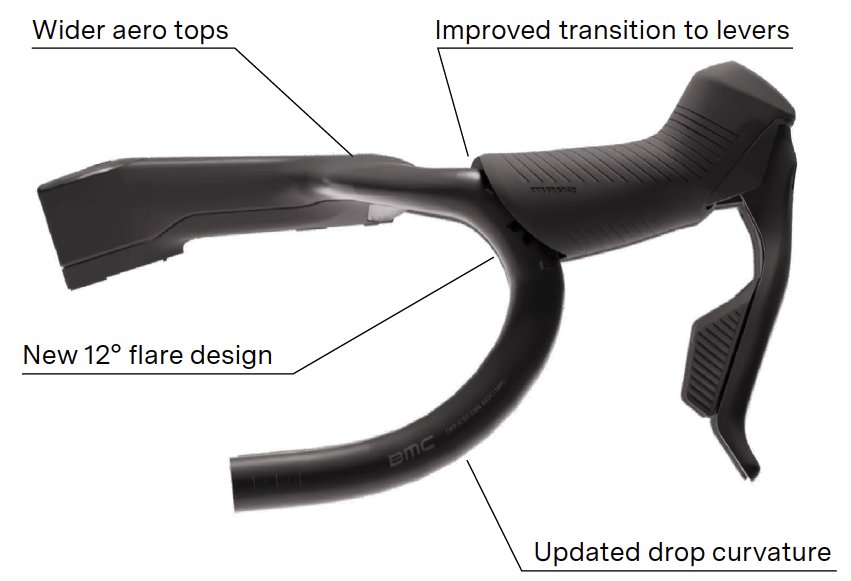
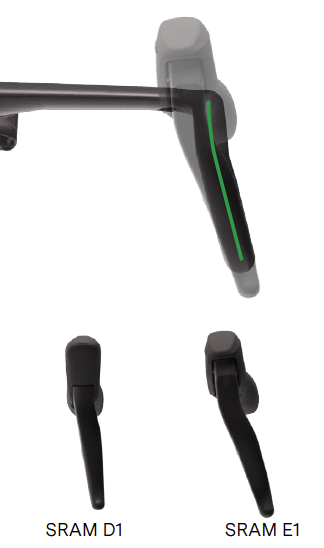
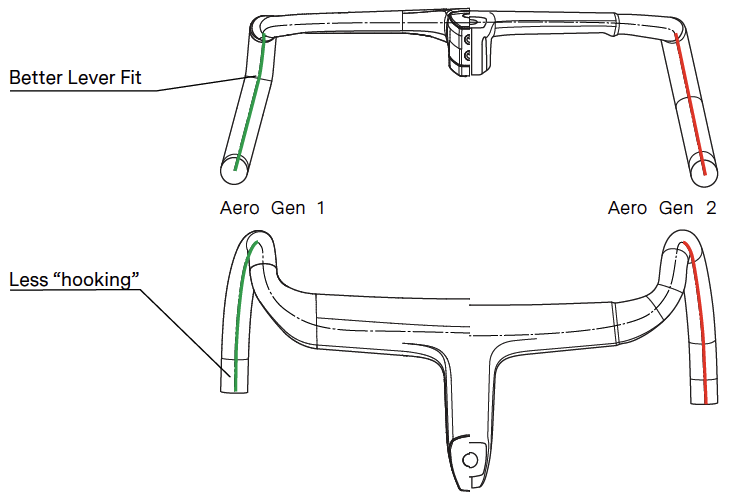
Ergonomics quickly became one of the strongest and most tangible elements of the project.

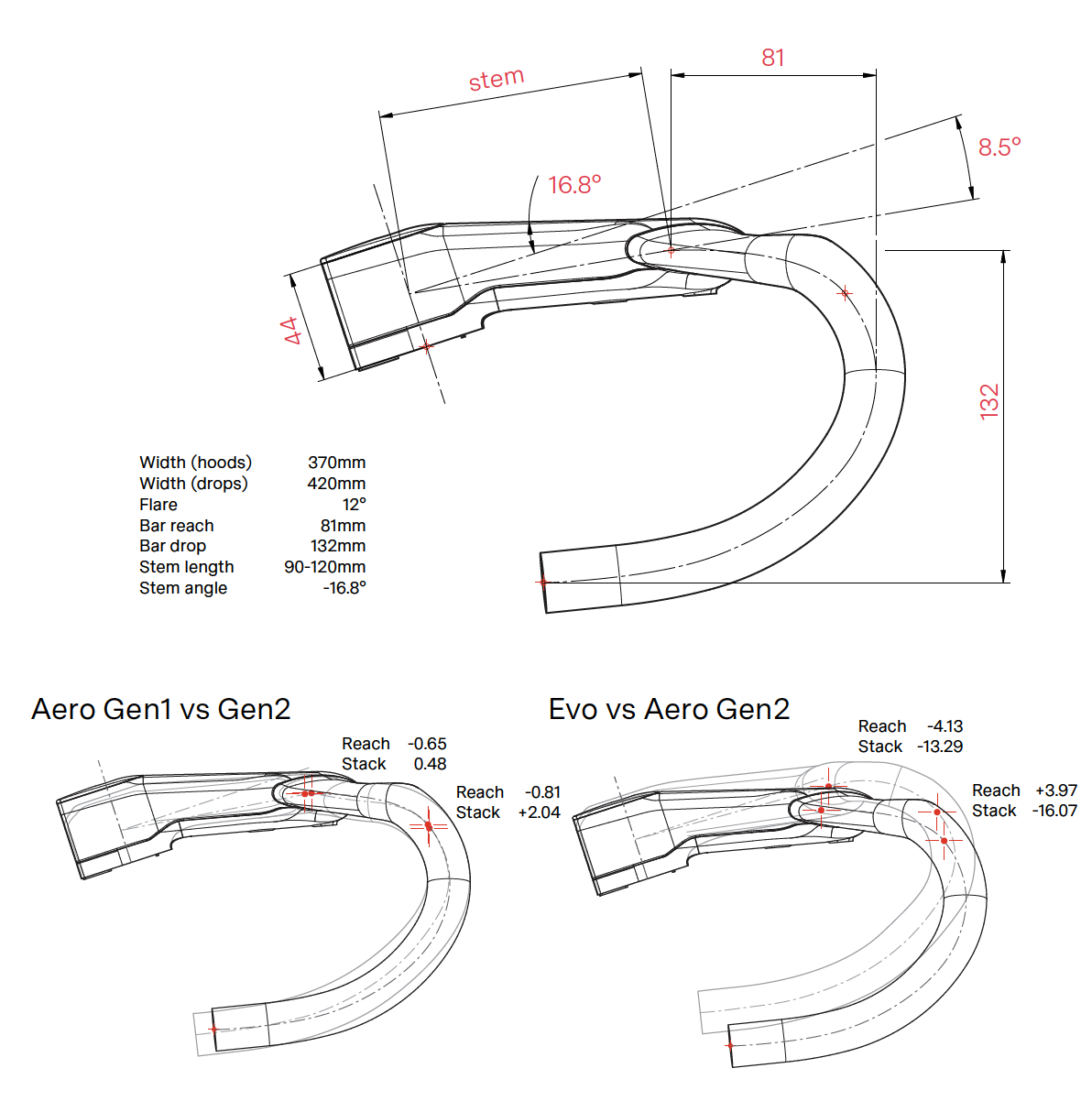
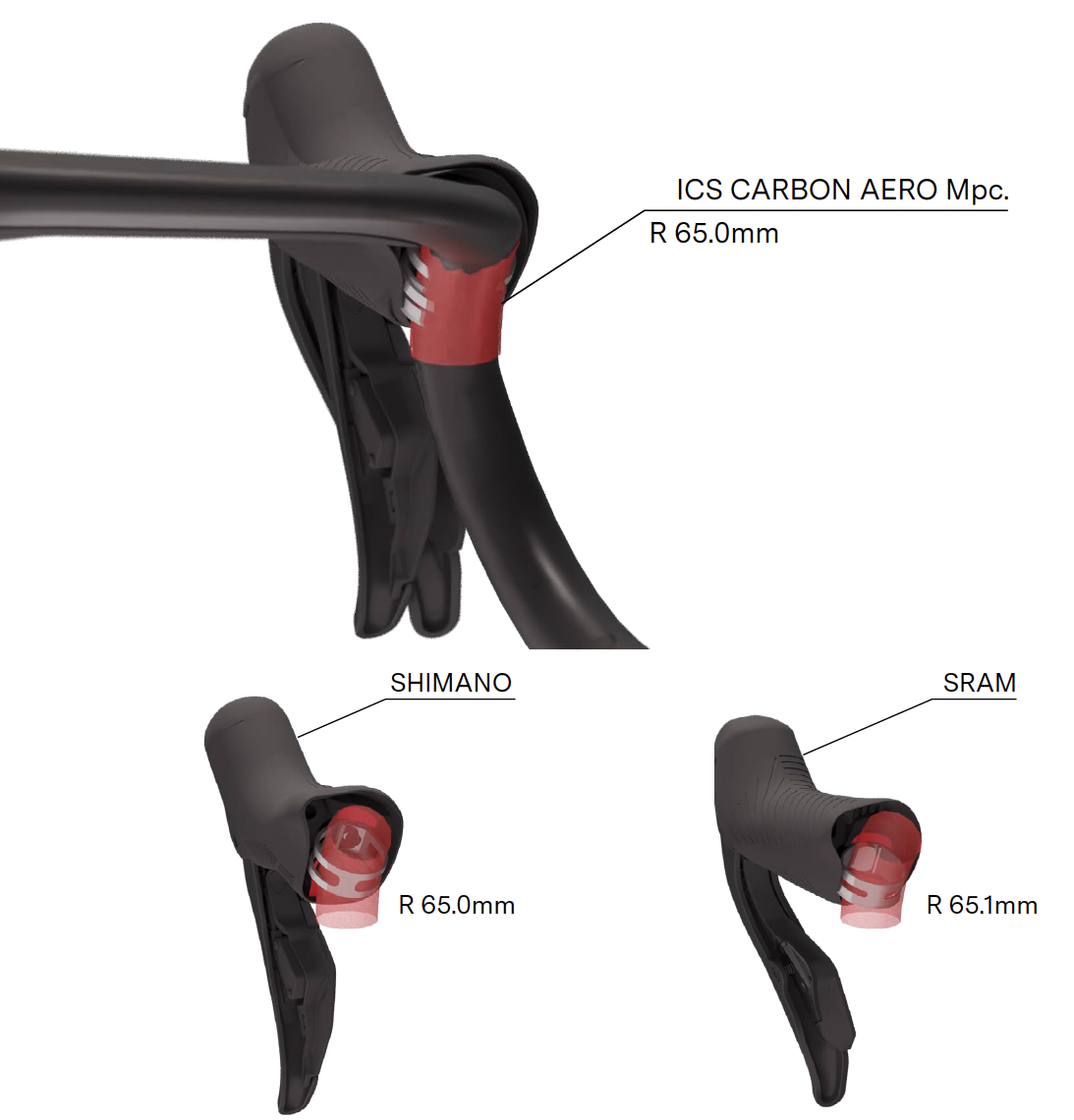
To explain the cockpit’s shaping, rider positioning, and transition surfaces, I created a series of 3D renderings and technical illustrations highlighting each section of the design. Animated 3D sequences also became essential tools for live product presentations to retailers, media, and riders.

Still frames extracted from these animations were later integrated into the static “Product DNA” PDF document to support the storytelling with clear visual references.

The Yin & Yang section originally started almost humorously as a way to present the product’s performance trade-offs in a more engaging format.

The new cockpit prioritizes front-end stiffness and steering precision, resulting in a significantly stiffer structure compared to the previous generation. Rather than focusing purely on weight figures, the communication centered on explaining the engineering decisions and structural changes that enabled these performance gains.

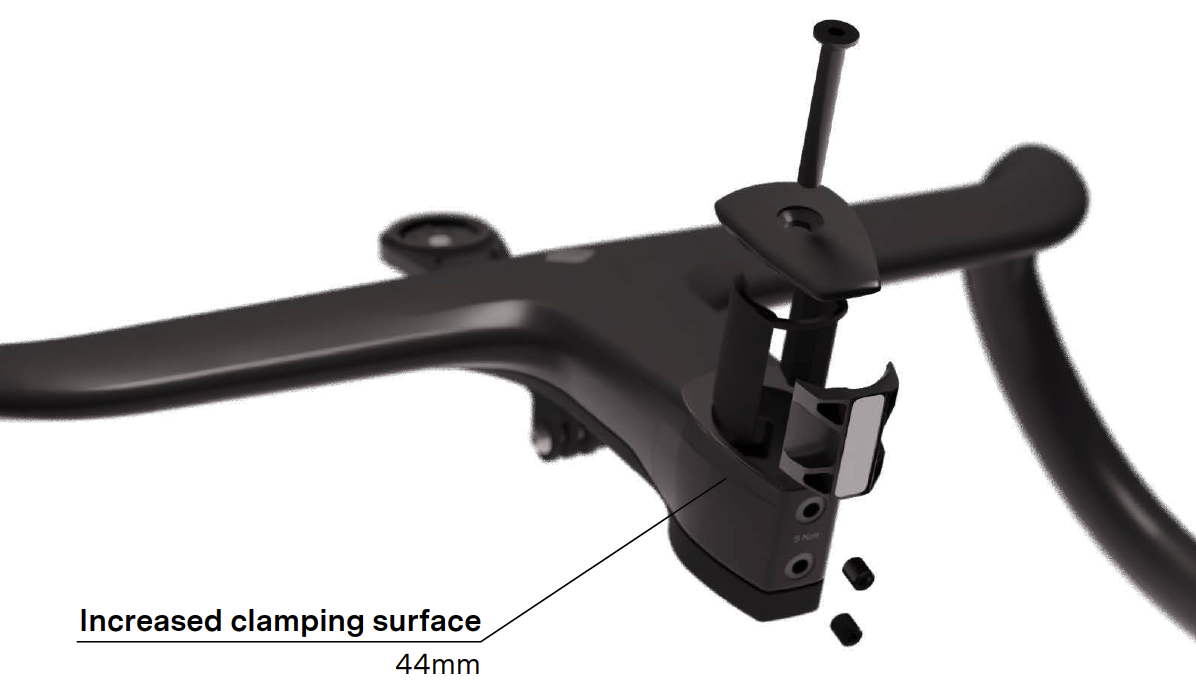
To support this section, dedicated 3D animations and renderings were created to visualize updated clamping solutions and structural design evolutions that contributed to the increased stiffness.

Aerodynamics naturally remained an important part of the project.

Interestingly, positioning the aerodynamic story slightly later in the presentation was a deliberate choice. In a market where nearly every one-piece cockpit communicates “aero-first,” shifting the focus toward rider experience and control helped create a more differentiated narrative.

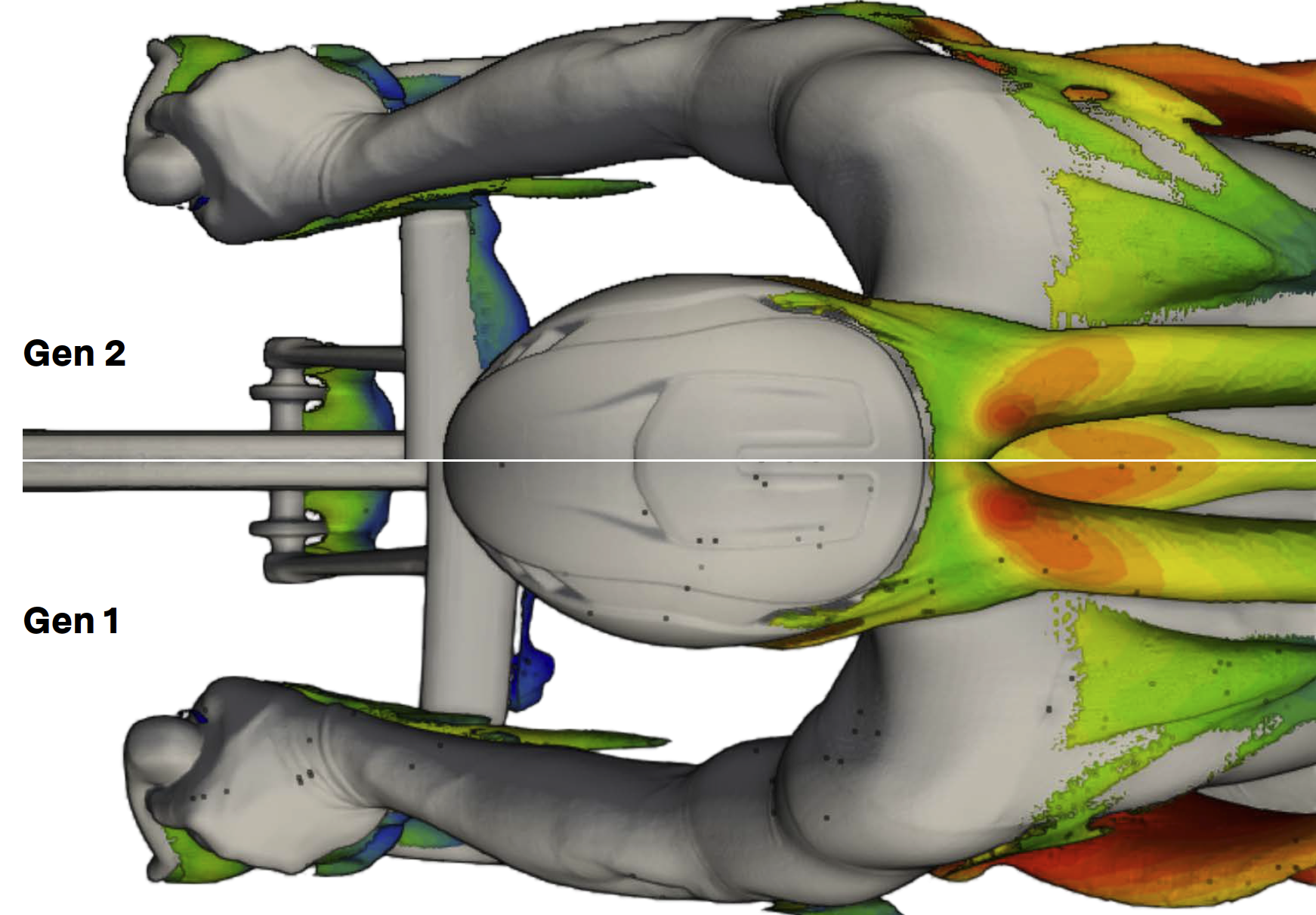
For this section, simplified CFD screenshots and airflow illustrations from the R&D process were integrated into the storytelling. Even relatively simple aerodynamic visuals proved highly effective in communicating the product’s intent and reinforcing its visual identity.

The complete project documentation is available below:

Product DNA

Owner’s manual

The development of the BMC ICS Carbon Aero Gen 2 Marketingf Campaign assets was ultimately much more than the creation of a new cockpit. It became an exercise in transforming engineering decisions, rider feedback, industrial design, and performance targets into a coherent product experience and story.

From technical visualization and copywriting to product positioning and final presentation assets, the project highlighted the importance of connecting complex development work with clear and engaging communication. Bringing structure, clarity, and value to technically driven projects remains one of the aspects of product marketing I enjoy most.